
When you sell a house, the law in most states requires you to tell the buyer about problems you know about — the leaky basement, the roof patch, the neighbor dispute, the foundation crack you painted over. These seller disclosures are legally required documents, and getting them wrong is one of the most common sources of post-sale lawsuits in real estate.
This guide explains what disclosures typically require, what “as-is” does and doesn’t waive, the special cases (inherited homes, divorces, tenant-occupied properties), and how to disclose honestly without scaring buyers away.
What Seller Disclosures Are
Seller disclosure is a formal statement — usually a state-specific form — where you answer detailed questions about the property’s condition and history: structural issues, water damage, roof age and leaks, plumbing and electrical problems, HVAC condition, pest history, mold, environmental hazards (lead paint, asbestos, radon), boundary disputes, HOA issues, and more. You sign it under penalty of perjury in many states. It’s not a warranty that the house is perfect — it’s an honest account of what you know.
The key legal standard in most states: disclose known material defects — problems you’re aware of that would affect a buyer’s decision or the property’s value. You’re generally not required to discover unknown problems (that’s what the buyer’s inspection is for), but you can’t play dumb about things you actually know. “I didn’t disclose the flooding because I hoped the buyer wouldn’t notice” is how lawsuits start.
State Differences Matter Enormously
Disclosure law is state law, and it varies widely. Some states (like California and Texas) have famously detailed statutory disclosure forms running many pages. Others have more limited requirements. A few jurisdictions follow caveat emptor (“buyer beware”) traditions with narrower seller obligations — but even there, active fraud (lying when asked, concealing known defects) is still actionable everywhere.
Federal law adds one universal requirement: for homes built before 1978, sellers must disclose known lead-based paint hazards and provide an EPA pamphlet, with the buyer getting a 10-day opportunity to test. This applies in every state, no exceptions.
Know your state’s form before you list. Your agent or attorney will have it. Read every question carefully — the form tells you exactly what’s expected, which removes most of the guesswork.
The “As-Is” Myth
Selling as-is does not waive disclosure obligations in most states. “As-is” means you’re not making repairs — it doesn’t mean you’re not telling the truth. You still must disclose known defects; the buyer just can’t demand you fix them. Sellers who think as-is is a license for silence are the ones who get sued after closing. Disclose fully, sell as-is, sleep well.
Special Cases
Inherited homes
If you inherited the house and never lived in it, many states offer a disclosure exemption or a modified form (“I never occupied the property; I disclose what I know, which is limited”). This is legitimate — you can’t disclose what you don’t know. But it doesn’t cover things you do know (the estate’s records mention the roof leak, the neighbor told you about the flooding). Disclose what you know; exempt what you honestly don’t.
Divorce sales
When selling during divorce, both spouses typically sign the disclosures. Coordinate: if one of you knows about the basement issue and the other doesn’t, the knowledgeable one must disclose. Disagreements about “whether it’s really a problem” should be resolved toward disclosure — it’s always the safer choice.
Tenant-occupied properties
When selling with tenants, disclose tenant-related facts: payment history issues, disputes, unauthorized occupants, promised repairs, lease terms. The buyer is inheriting a landlord relationship — surprises there are more damaging than surprises about plumbing.
Newer homes
Don’t assume a newer home means nothing to disclose. Construction defects, warranty claims, builder disputes, drainage issues that appeared after the first heavy rain — if you know about it, it goes on the form regardless of the home’s age.
What’s Actually on the Disclosure Form
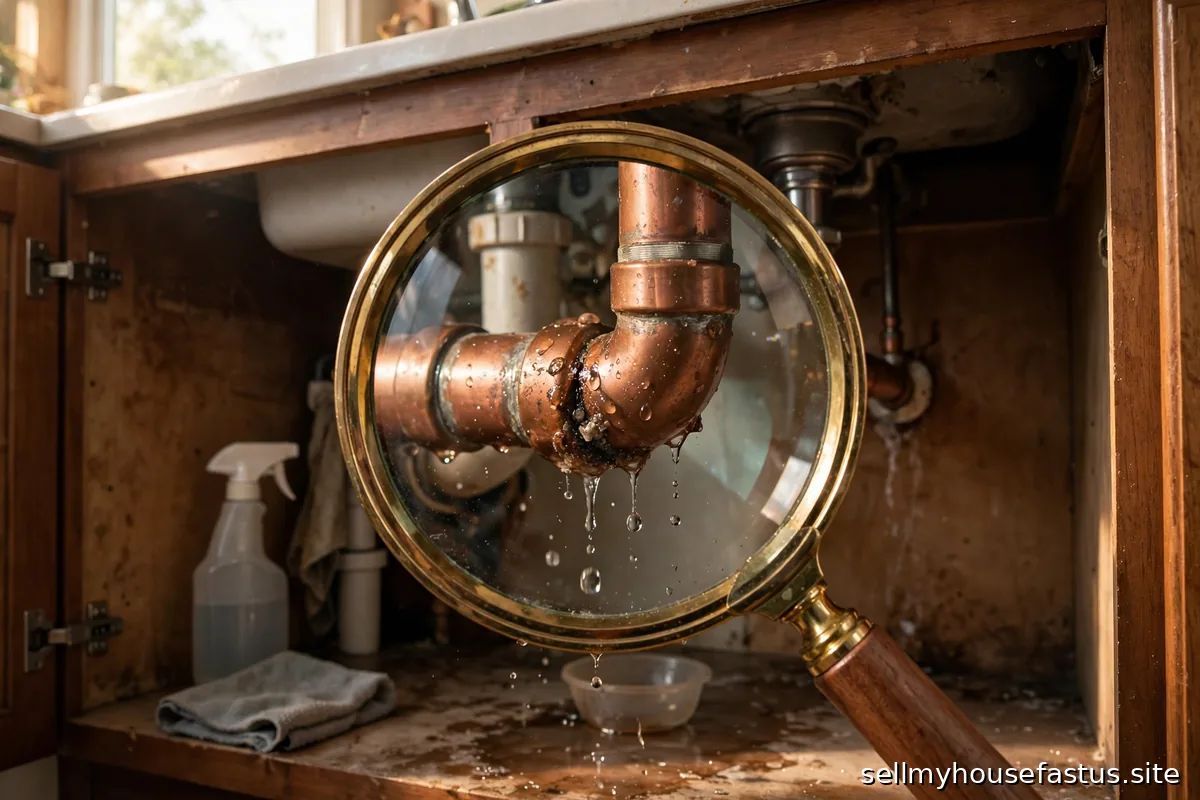
While forms vary by state, most ask about the same domains. Expect questions on: structure and foundation (cracks, settling, movement); roof (age, leaks, repairs); water and moisture (flooding, drainage, sump pumps, mold); plumbing, electrical, and HVAC (age, condition, known issues); pests (termites, rodents, treatment history); environmental (lead paint, asbestos, radon, underground tanks); legal (boundary disputes, easements, HOA litigation, zoning violations); and neighborhood (noise, nuisances you know about). Many forms also ask about insurance claims you’ve filed on the property — your claims history is itself a disclosure.
How to fill it out: answer every question (blanks look evasive — write “unknown” if genuinely unknown, never guess), be specific rather than vague (“replaced water heater 2021, have receipt” beats “plumbing OK”), and attach supporting documents for anything significant. If a question doesn’t apply, say so explicitly. The form is your legal shield — a complete, honest form is the best defense against any future claim that you hid something.
Disclosures in Fast Sales: Cash Buyers and Auctions
Fast-sale methods don’t eliminate disclosure — they change its context. Cash buyers often buy with fewer contingencies, but your disclosure obligations remain; in fact, disclose more freely, because cash buyers are professionals who price around known issues without drama — it’s the surprises that make them renegotiate or walk. Auctions typically sell with detailed terms and property information packages; known defects go into the package, and bidders factor them into bids. Hiding a known defect to goose auction bidding is fraud with an audience. iBuyers do their own inspections and adjust offers accordingly — your disclosures should match what their inspector will find, because discrepancies erode trust and trigger renegotiation.
The through-line: in every fast-sale method, the buyer is moving quickly and relying heavily on what you tell them. That reliance increases your disclosure responsibility in practice, even where the legal standard is unchanged. Disclose early, disclose fully, and let the fast process stay fast.
How to Disclose Honestly Without Killing Your Sale
Sellers fear disclosures will scare buyers off. In practice, honest disclosure builds trust and prevents deal-killers later. Tactics:
- Disclose with context. “Basement took on water in 2023 during a 100-year storm; installed sump pump and French drain afterward; dry since” is a disclosed issue that reads as handled. “Basement floods” with no context reads as a nightmare.
- Attach documentation. Repair receipts, contractor warranties, inspection reports, insurance claim records — paper turns scary unknowns into managed history.
- Price for condition. Disclosed issues the price already reflects don’t derail deals. Undisclosed issues discovered at inspection do — because now the buyer doubts everything else too.
- Disclose early. Provide disclosures with the listing or at offer time, not days before closing. Early disclosure lets buyers factor it into their offer; late disclosure feels like concealment and kills trust.
- When in doubt, disclose. The legal test is “material” — would it matter to a reasonable buyer? If you’re debating whether it matters, it probably matters. Over-disclosure has no penalty; under-disclosure has lawsuits. When you sign that form, you want every answer to be one you can defend with a straight face a year later.
Disclosures vs. the Buyer’s Inspection
These are complementary, not redundant. Your disclosures cover what you know; the buyer’s inspection covers what nobody knew (or what you genuinely didn’t). A thorough buyer inspection doesn’t excuse your failure to disclose known issues — and your honest disclosures don’t prevent the inspector from finding new ones. In fast sales where buyers waive inspections (common with cash buyers), your disclosures become more important, not less — they’re the buyer’s only window into the property’s history.
What Happens If You Don’t Disclose
Post-closing discovery of an undisclosed known defect leads to: demand letters, mediation or arbitration (many contracts require it), and lawsuits for damages — typically the cost of repair plus legal fees, sometimes more if fraud is proven. Sellers lose these cases regularly, because the paper trail (your repair receipts, your texts to the contractor, your insurance claim) usually proves you knew. The irony: the repair you hid a $2,000 problem to avoid discussing becomes a $20,000 lawsuit. Disclose — completely, early, and in writing.

Frequently Asked Questions
If I disclose a problem, do I have to fix it?
No — disclosure and repair are separate. You can disclose everything and sell as-is. The buyer then decides whether to proceed, negotiate the price, or walk. What you can’t do is stay silent about it.
I never lived in the house — what do I disclose?
What you know (from estate records, family, neighbors, your own observations) — and use your state’s exemption or limited form for the rest if available. “Never lived there” is a valid limitation, not a blanket pass on things you actually know.
Do I have to disclose minor things like a squeaky door?
The standard is material defects — things affecting value or the buying decision. A squeaky door isn’t material; a foundation crack is. When genuinely unsure, disclose anyway — there’s no penalty for over-disclosure.
What if I discover a problem after disclosing but before closing?
Update your disclosures immediately. Your obligation is ongoing through closing — disclosing something in week one doesn’t cover a new problem discovered in week three. Amend the form and notify the buyer.
The Bottom Line
Disclose everything you know, with context and documentation, early in the process. It doesn’t kill sales — it prevents lawsuits, builds buyer trust, and lets you price honestly for the property’s condition. The sellers who get in trouble aren’t the ones with problem houses; they’re the ones who stayed quiet about them — and paid for that silence many times over.