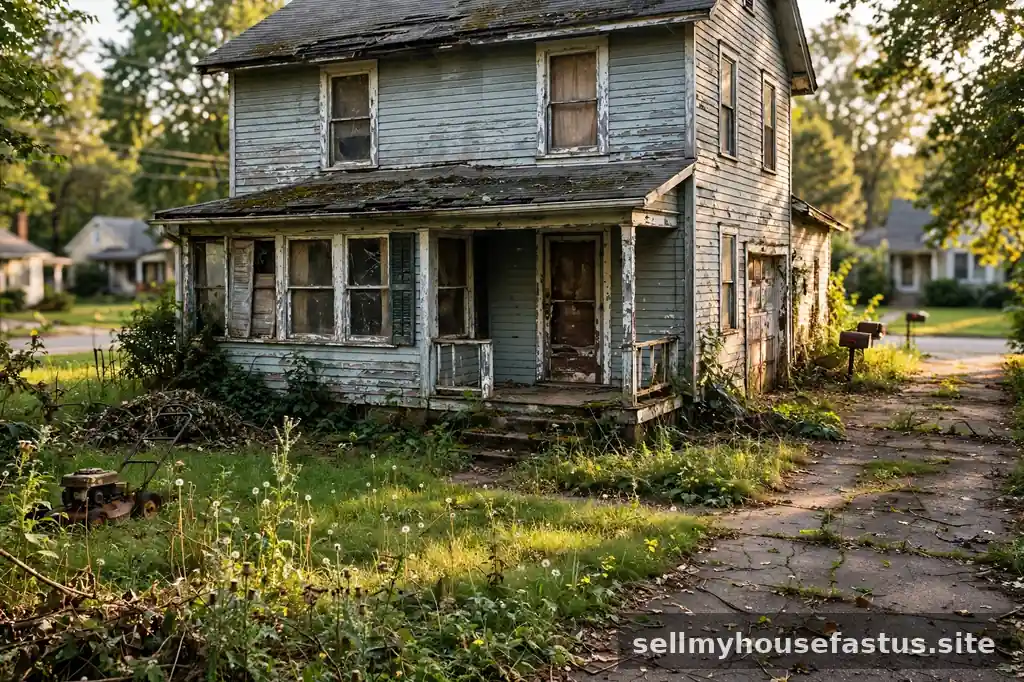
“As-is” is two small words that carry a lot of weight in a home sale. Sellers hear it as freedom — no repairs, no renovation, no hassle. Buyers hear it as risk — unknown problems, no recourse, price accordingly. Both are right, which is why understanding what “as-is” actually means (legally, practically, and financially) matters before you put those words in your listing or sign a contract containing them.
What “As-Is” Actually Means
Selling as-is means you, the seller, will not make repairs or offer credits for the property’s condition. The buyer accepts the house in its current state — flaws, wear, and all. That’s the core of it. But “as-is” does not mean what many sellers think it means, so let’s clear up the biggest misconceptions first.
Myth vs. Fact
Myth: “As-is means I don’t have to disclose anything.”
Fact: In most states, as-is does not waive your disclosure obligations. If you know about a material defect — a leaking roof, foundation cracks, mold, a buried oil tank — you generally still have to disclose it, as-is sale or not. “As-is” describes the condition of the sale (no repairs), not a license to hide known problems. Selling as-is while concealing a defect you knew about is how sellers end up in lawsuits. Read seller disclosures explained for what your state likely requires.
Myth: “As-is means the buyer can’t inspect.”
Fact: Buyers can almost always still inspect — “as-is” typically just means they can’t demand repairs based on what the inspection finds. Many as-is contracts still give the buyer an inspection period during which they can walk away. Know which version you’re signing: true as-is with no inspection contingency is rare and usually commands a lower price.
Myth: “As-is means I take whatever they offer.”
Fact: As-is describes condition, not price. You can sell as-is and still negotiate hard, still get multiple offers, still walk away from a lowball. The condition discount is real — buyers price in the risk — but it’s negotiable, especially when buyers compete. Understanding how much cash buyers pay helps you evaluate whether the as-is discount in front of you is reasonable.
Myth: “Any buyer can buy as-is.”
Fact: Mortgage lenders have minimum property standards. A house with a failing roof, no working heat, or major safety issues may not qualify for conventional financing — which is why as-is sales skew heavily toward cash buyers. If your house wouldn’t pass a lender’s appraisal requirements, your buyer pool is investors whether you planned it that way or not.
When Selling As-Is Makes Sense
- The repair math doesn’t work. If the house needs $40,000 of work to gain $25,000 in value, selling as-is is the rational choice. Don’t spend a dollar to lose fifty cents.
- You’re selling from a distance. Managing contractors remotely — getting bids, supervising work, handling surprises — is a part-time job. As-is transfers that burden to the buyer.
- Speed matters more than price. Every week of renovation is a week of carrying costs and delay. As-is is the fastest path to closing.
- The property is inherited or distressed. Estate homes, hoarding situations, fire or water damage — these are as-is by nature, and the buyer pool expects it.
- You’ve done the math and you’re comfortable. Sometimes sellers just don’t want the hassle, and that’s a legitimate preference with a clear price.
When You Should Fix First Instead
As-is isn’t always optimal. Consider repairing when the fix is cheap and the return is high: a deep clean and declutter (near-zero cost, real impact), minor curb appeal, fixing anything that signals neglect or raises safety concerns. Our fast-sale home prep checklist focuses on exactly these high-ROI items — the work worth doing even when you’re selling as-is.
The general rule: fix what’s cheap, disclose what’s expensive. A $200 plumbing fix that removes a buyer’s $5,000 worry is worth doing. A $25,000 foundation repair on a house you’re selling as-is to an investor is not — the investor will do it cheaper than you can, and price the house accordingly either way.
How to Price an As-Is Sale
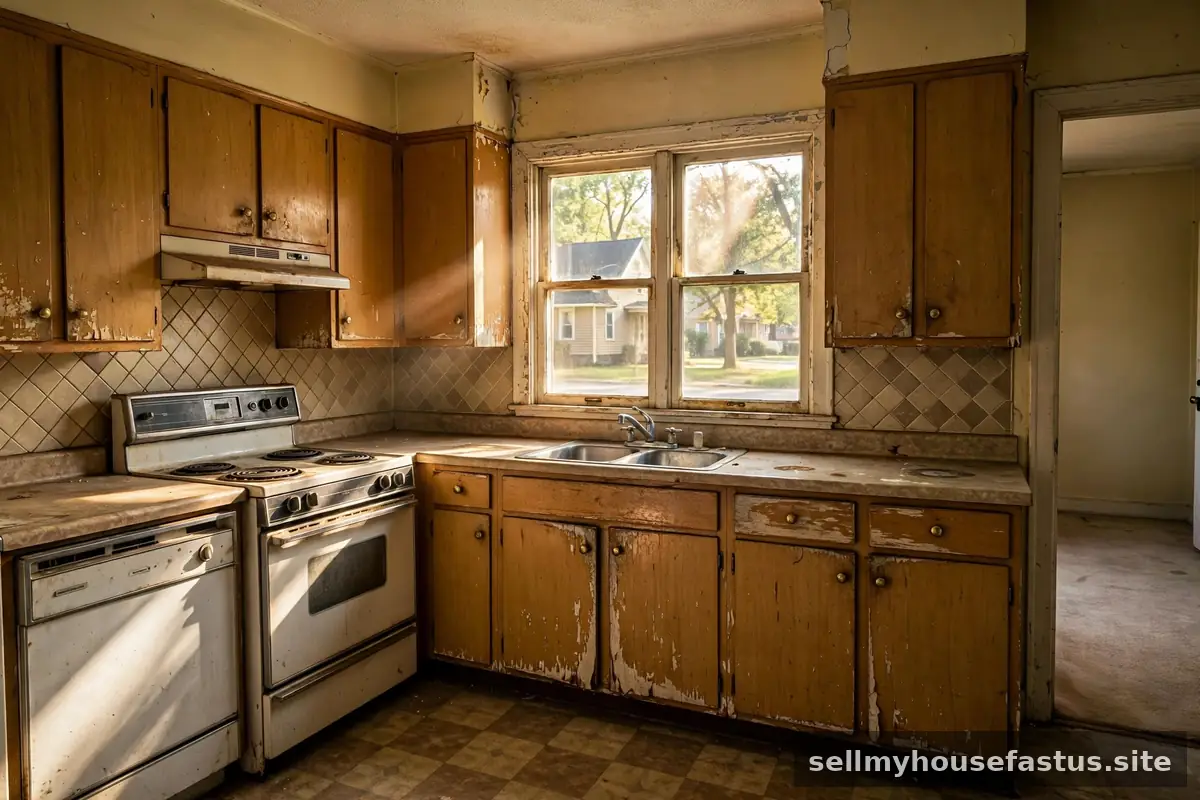
Pricing as-is is where sellers make the costliest mistakes, in both directions. Price too high and you sit — as-is listings that linger develop a stigma (“what’s wrong with it?”) that pushes offers even lower. Price too low and you give away money you didn’t need to.
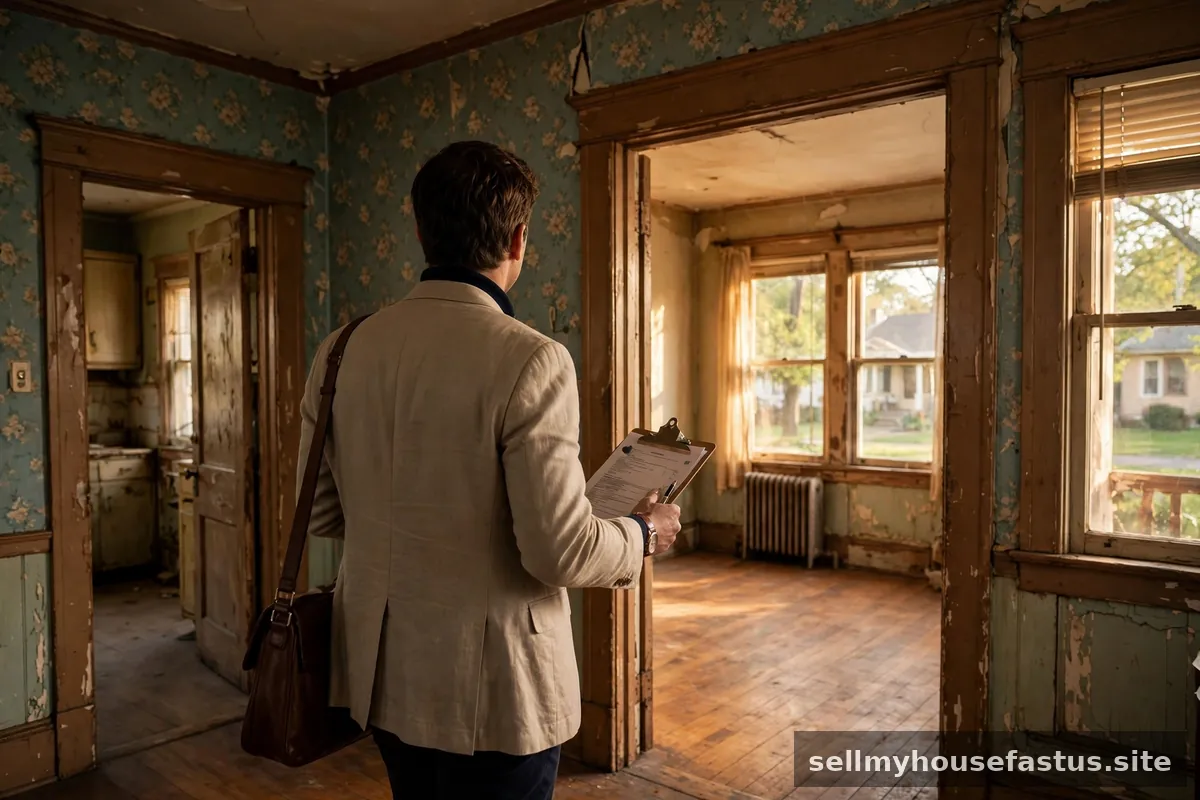
The disciplined approach: estimate the home’s fixed-up market value from comparable sales, subtract realistic repair costs (get a contractor walkthrough or use the buyer’s itemized estimate as a starting point for negotiation), and subtract a discount for the buyer’s risk and profit — typically smaller than sellers fear when multiple buyers compete. Then sanity-check the result against actual cash offers. If your calculated price and the best offer are close, your math is right. If they’re far apart, one of your inputs is wrong — usually the repair estimate or the ARV.
As-Is Clauses: What to Watch in the Contract
- Scope of “as-is.” Does it cover everything, or are certain systems excluded? Get the exact language.
- Inspection rights. Can the buyer inspect? Can they cancel based on findings, or only negotiate? “As-is with inspection contingency” and “as-is, no inspections” are very different deals.
- Personal property. As-is sellers often leave furniture, appliances, even junk. Spell out what stays and what goes — “as-is” doesn’t automatically include the riding mower.
- Disclosure addenda. Even as-is, most states require specific disclosures (lead paint for pre-1978 homes federally, plus state forms). The contract should reference them.
- Right to cure. Some contracts let the seller cure title defects but not physical ones — understand the split.
As-Is and Your Listing: How to Market It
If you’re listing as-is on the MLS (rather than selling directly to an investor), how you present the property matters enormously. “As-is” in a listing attracts two audiences: bargain hunters looking for a steal, and serious investors who buy as-is routinely. You want the second group competing, not the first group lowballing.
Practical tips: lead with the property’s strengths (location, lot size, layout, rental potential) rather than apologizing for its condition — investors buy potential, not perfection. Disclose honestly but frame factually (“roof at end of life” beats “needs everything”). Price from real math, not from fear — an as-is listing priced fairly often draws multiple investor offers, and that’s when the as-is discount shrinks. Finally, make access easy: lockbox, flexible showing windows, and a property information packet (tax records, survey, any inspection reports you’ll share) signal a serious seller and speed up offers. Even in an as-is sale, the fast-sale prep checklist’s low-cost items — cleanout, basic landscaping, working lights — pay for themselves in stronger first impressions.
Who Buys As-Is Houses?
Overwhelmingly: investors and flippers paying cash. They have the capital, contractors, and risk tolerance for as-is properties. You’ll also see landlords buying as-is rentals, and occasionally a handy retail buyer with renovation financing (like an FHA 203(k) loan) — but the core market is cash. That concentration is both the advantage (fast, certain closings) and the reason to get multiple offers: your negotiating leverage comes from buyer competition, and in the as-is market you have to create it deliberately.
Frequently Asked Questions
Do I still have to disclose problems when selling as-is?
In most states, yes — as-is doesn’t eliminate disclosure duties for known material defects. A few states are more seller-friendly, but concealing a known problem is risky everywhere. When in doubt, disclose; it’s cheap protection.
How much less does as-is sell for?
It depends on condition and competition. The discount roughly equals repair costs plus the buyer’s risk premium and profit margin — which is why multiple competing buyers shrink it. Get offers first, then judge.
Do I need to clean an as-is house?
You’re not obligated to, but a basic cleanout helps: extreme filth or hoarding conditions distract from the property’s bones and invite lower offers. Many investors will handle cleanout themselves — ask whether it’s priced into the offer or handled separately.
Can a buyer get a mortgage on an as-is house?
Sometimes. If the house meets the lender’s minimum property standards, yes — “as-is” is a sale term, not a financing barrier. But houses with major deficiencies often can’t get conventional financing, which is why cash dominates the as-is market.
Can I back out of an as-is sale?
Only under the contract’s terms — as-is doesn’t change your cancellation rights. If you’re past contingencies, backing out can cost your earnest money or invite a lawsuit. Read the contingency deadlines before you sign, not after.
Can I sell an inherited house as-is?
Yes — inherited properties are some of the most common as-is sales, since heirs often live far away and the home needs updating. Just make sure the estate’s legal authority to sell is settled first; see our guide to selling an inherited house fast for the probate and title steps that have to come before any as-is deal can close.
Should I offer a home warranty on an as-is sale?
It can be a smart, cheap sweetener: a basic home warranty (often a few hundred dollars) gives the buyer comfort on major systems without you making any repairs. Investors won’t care, but a retail buyer considering your as-is listing might find it the nudge that turns hesitation into an offer.
The Bottom Line
As-is means no repairs — not no disclosures, not no inspections, not no negotiation. Price it with real math, disclose what you know, get competing offers, and read the contract’s fine print. Do that, and as-is becomes what it should be: the simplest, fastest way to convert a problem property into cash.